
Bridges are used to fill in gaps and replace missing teeth. These are used as a very viable alternative to dentures if the surrounding teeth are strong enough to support the bridge. They are permanent and less bulky than dentures.
Bridges are attached to neighbouring teeth and just like crowns, and are made from porcelain, metal or a combination of both. The colour is matched to your existing teeth so they look very natural. A bridge can make such a difference to your mouth and allow you to eat, talk and smile with confidence.
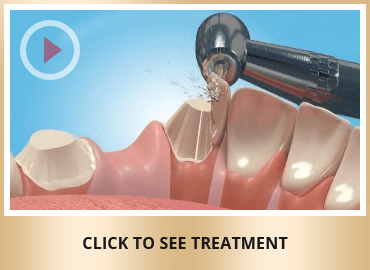
There are many bridge designs. A typical bridge is illustrated here. The natural teeth either side of the space have been prepared to have crowns (or "caps") fitted. These crowns are permanently fused to an artificial tooth in the centre.